• Gallery
  • About
  • Contact
  • Blog
  • CV
  • autotopia
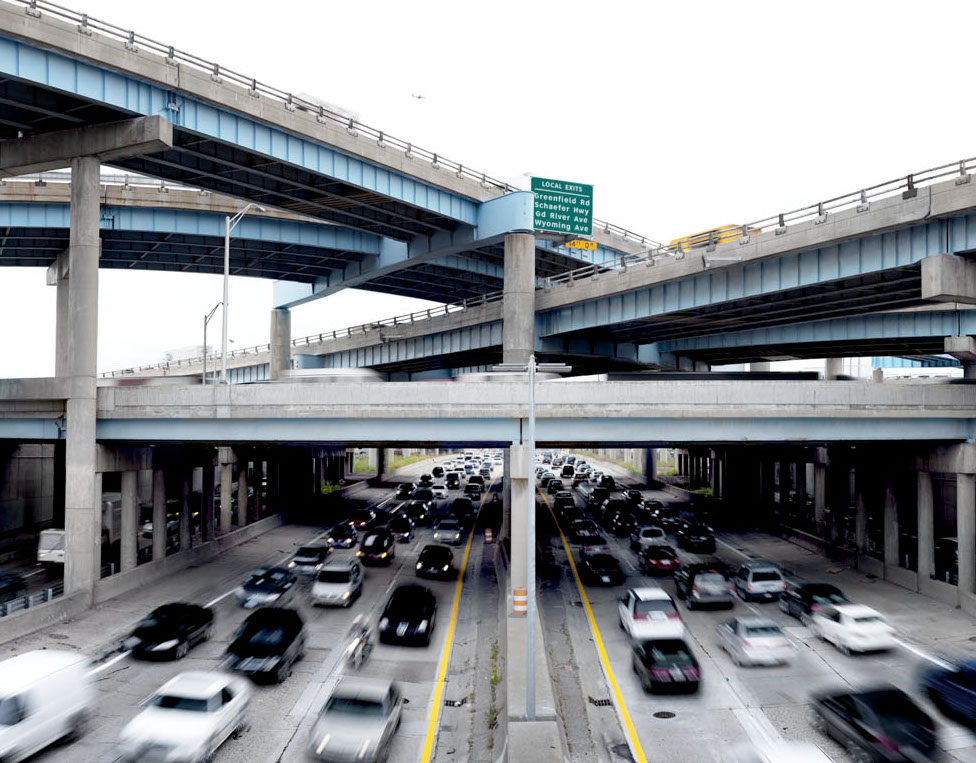
    Over the last five years my photographic practice has focused primarily on depicting rural landscapes. However, since moving to the Windsor/Detroit area my work has shifted. The Windsor/Detroit area is heavily imprinted with signs of its primary industry, automobile manufacturing, which is a feature that sets this landscape apart from other regions. There are many subtle alterations to the environment as a result of the automotive industry; for example, a local park that was once an automobile test track is now a walking/running track, and a former-manufacturing plant has been repurposed as an art school. These imprints of the landscape have made me hyper aware of the automobile’s ubiquitous presence.
    Although a predominant presence within society, the banality of the automobile makes it’s overwhelming impact almost invisible, as roadways exist as non-places within our own subconscious, ultimately blending into the habitual landscape. Through my work this covertness becomes visible. The images are intended to challenge the aspects of linear time and perception, revealing a condensed “hyperreality” that exists somewhere between fabrication and reality.
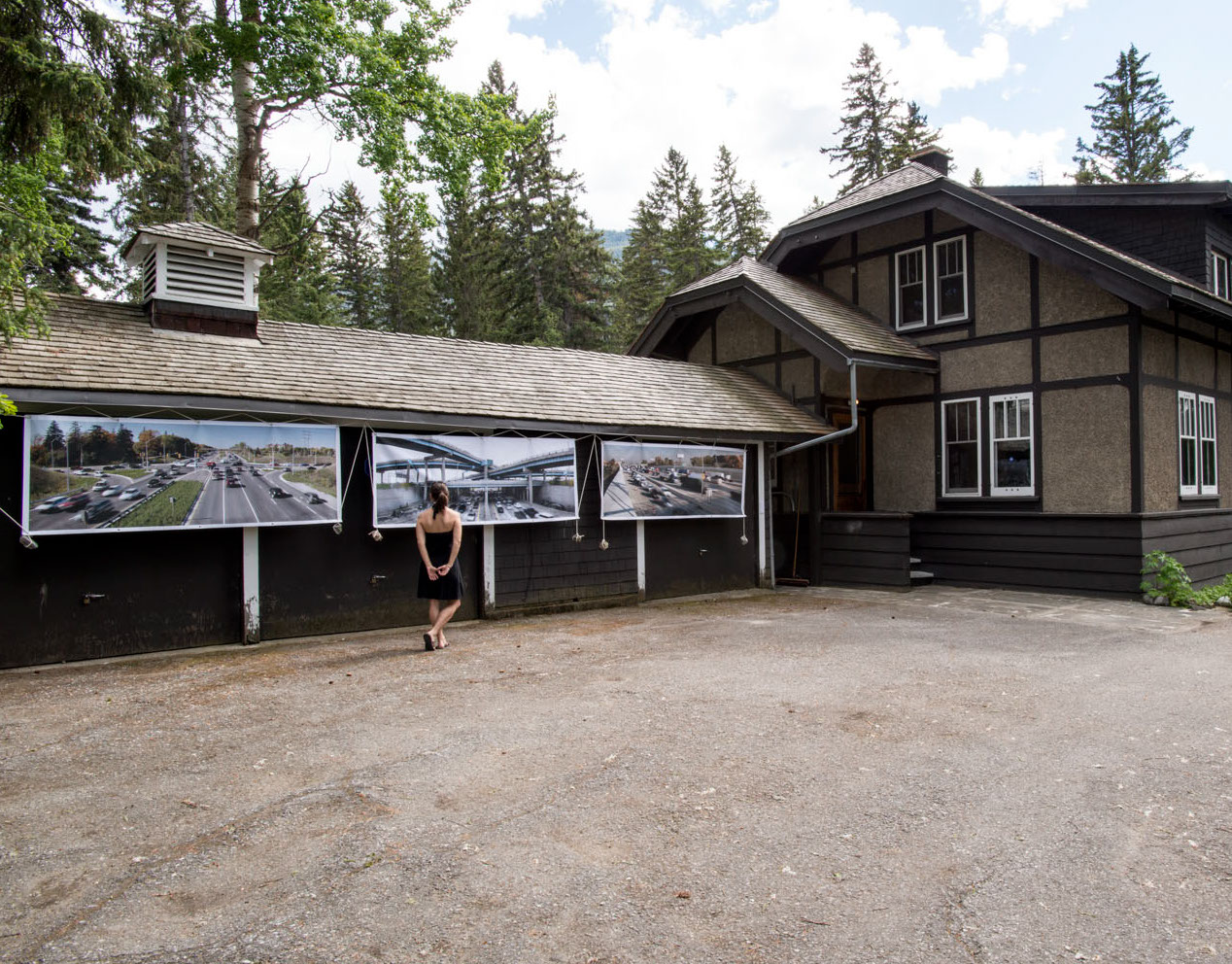
    Similarly to Oscar Rejlander’s combination printing, I am approaching the subject of the automobile through the use of photomontage by using multiple photographic images that are seamlessly merged into one compressed state of time and place. The photographs are printed as large-scale, colour panoramas and the size draws attention to minute, yet pertinent details within the frame.
    Accompanying the photographic body of work is a time-lapse video depicting an active intersection. This amplification of time re-enforces the overwhelming nature of the automobile on the landscape which takes place within the still images.
    Digital Photography, Documentary, Visual Arts
    2011
  • A Tale of Two Cities
    The Windsor/Detroit area is heavily imprinted with signs of its primary industry, a feature that sets its landscape apart from other regions. There are many subtle alterations to the environment as a result of the automotive industry; for example, a local park that was once an automobile test track is now a walking/running track, and a former-manufacturing plant has been repurposed as an art school.
    In comparison, when most people think of Saskatchewan they envision endless prairies, vast sections of farmland, and a simple, wholesome lifestyle. For those who have grown up here, they know that Saskatchewan has more to it than meets the eye: a wealth of resources, vibrant city life, an assortment of cultures, expanding industry, and a thriving technology sector.
    In recent years, this growth has led to some radical change, especially in cities like Saskatoon, which was recently named Canada's fastest-growing city. The boom, or “Saskaboom” as it has been dubbed, has resulted in a sudden rise in population (27.7 per 1,000 people between July 1, 2009, and June 30, 2010), followed closely by mass urban sprawl. Immigration is the leading force behind the boom, which fuels nearly half of the population growth.
    My intent is to document and compare the thriving industries within each city, and how they have impacted the landscape. For Windsor, the focus is on the ubiquitous automotive businesses that emerged in droves as a result of the industry’s historic success. As it stands today, the urban landscape is littered with derelict places that continue to leave their indelible marks. For Saskatoon, it is the thriving changes and expansions within the housing industry that has resulted in a similarly unattractive scene consisting of tract housing and massive urban sprawl. A Tale of Two Cities provides a visual exploration and critical comparison of these two cities based on their current economic situations.
    Digital Photography, Documentary, Visual Arts
    2011
  • The World Is Too Much With Us
    “The world is too much with us; late and soon,
    Getting and spending, we lay waste our powers;
    Little we see in nature that is ours;
    We have given our hearts away, a sordid boon!”
    -William Wordsworth (1807)

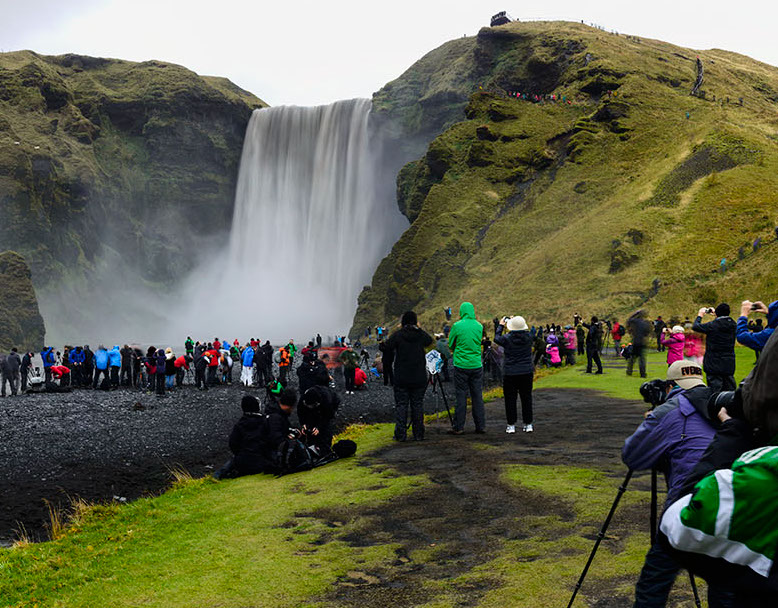
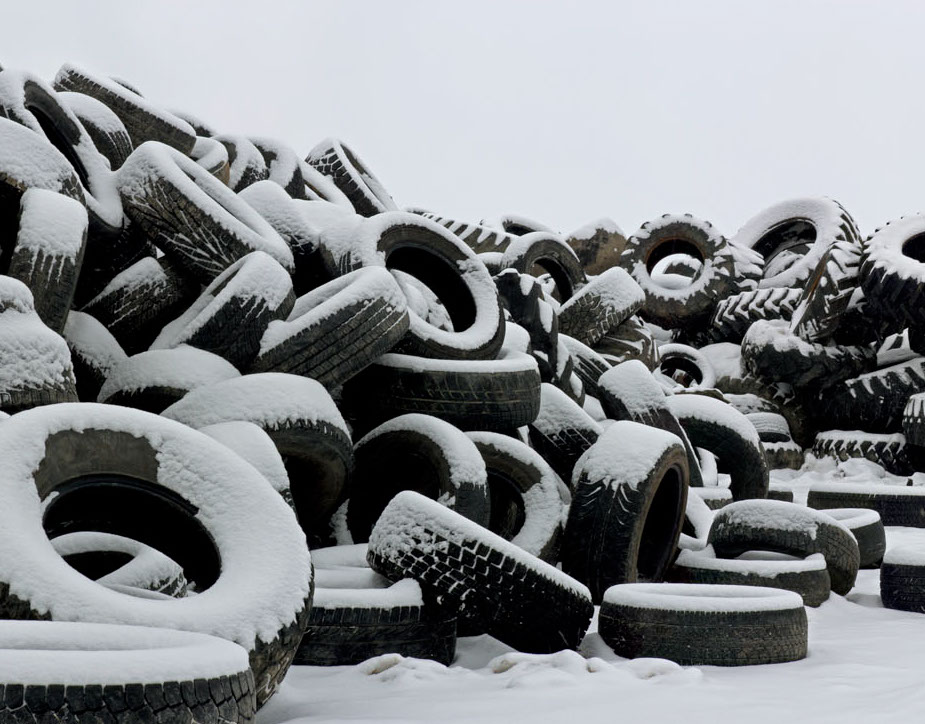
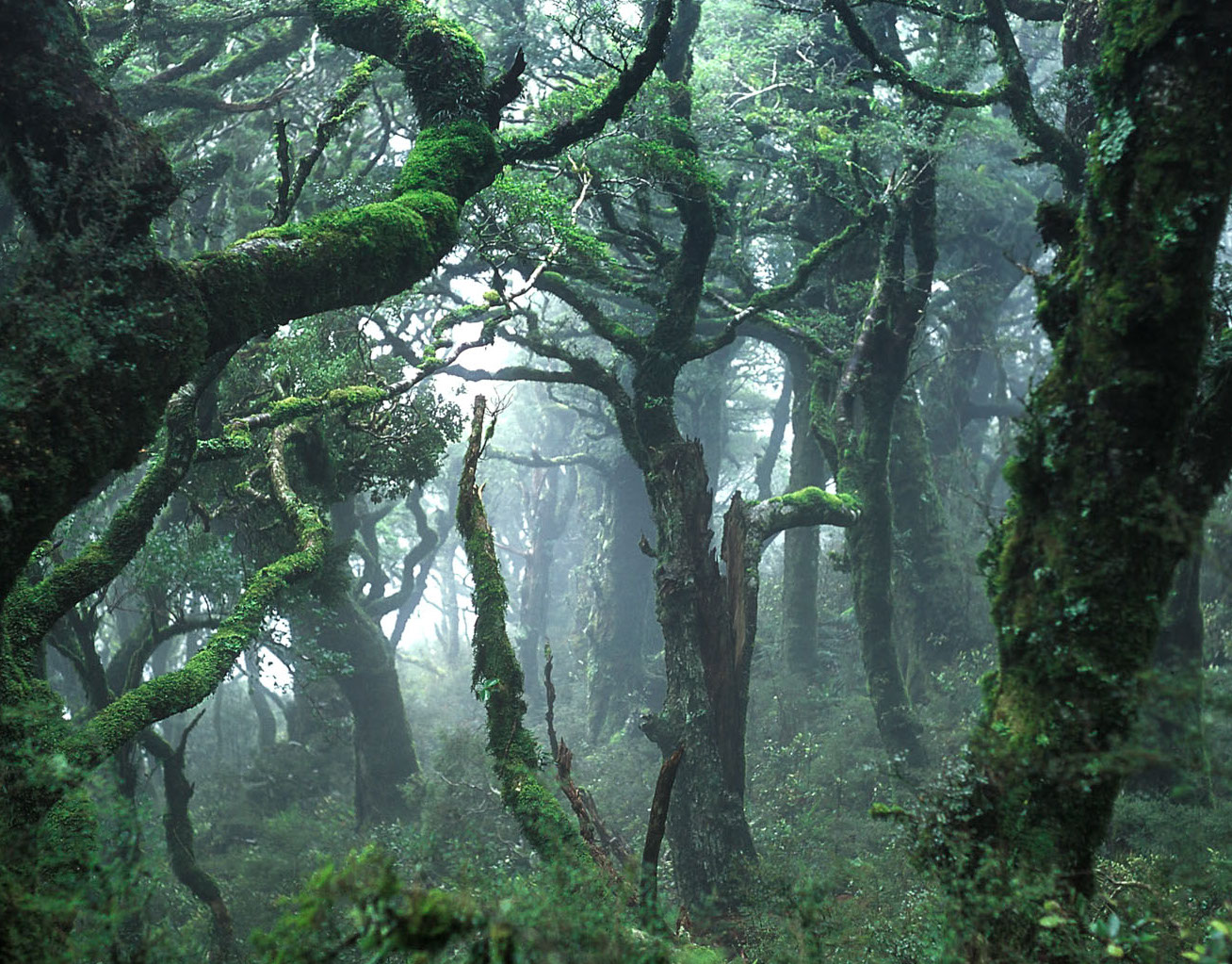
    In recent history, the world has witnessed a massive migration towards urban centers. As a result, humankind has largely disconnected from the natural ecosystems that surround them, finding comfort within the “concrete jungle.” When the two environments are compared, however, they bare almost no resemblance. It is time to readdress the situation and reintegrate with nature, or be left with nothing.
    Digital Photography, Documentary, Visual Arts
    2011
  • World Travels
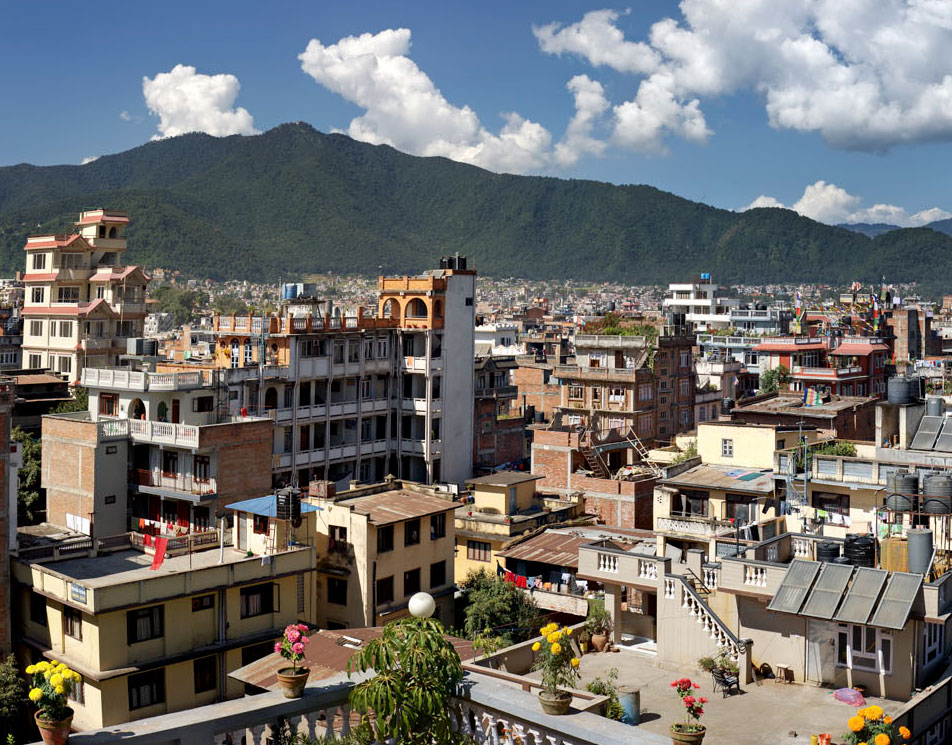
    A collection of photographs taken during my personal travels around the world.
    Photography, Visual Arts, Documentary
    2011
  • Arbornauts
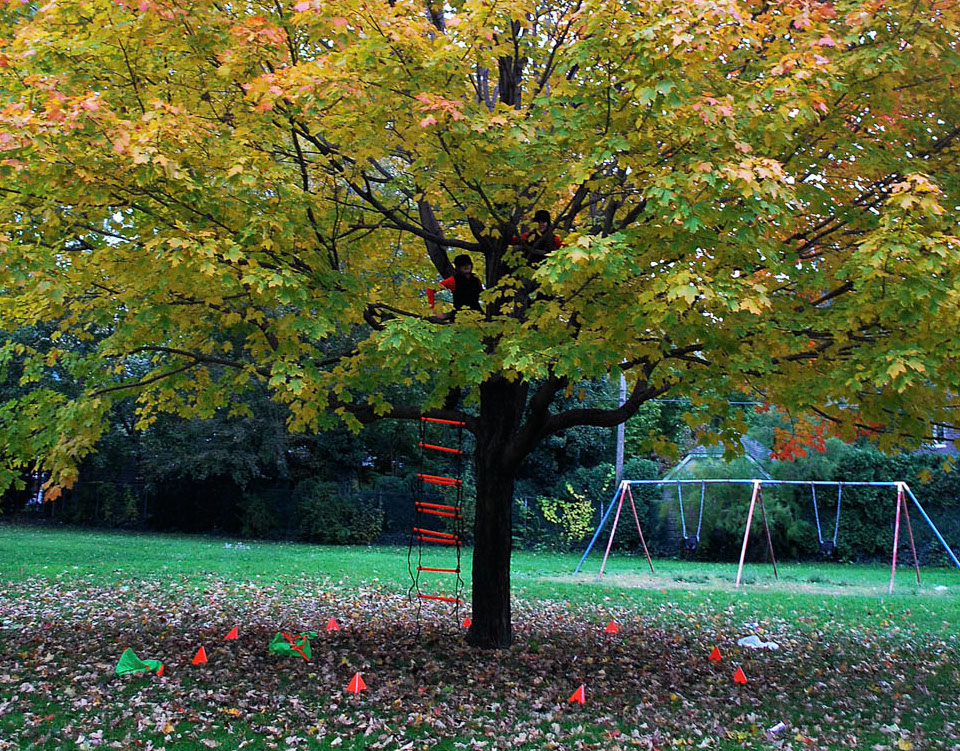
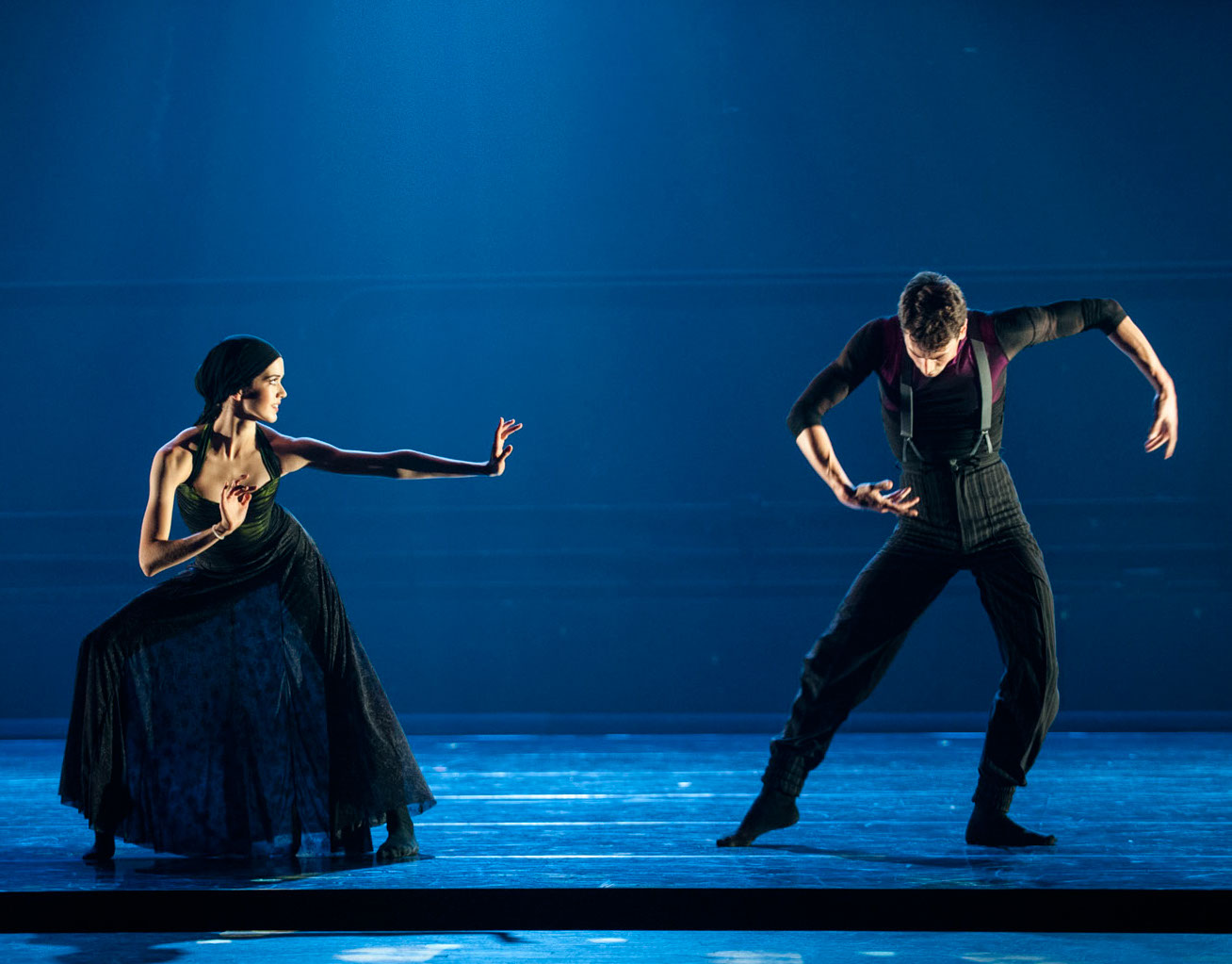
    The Arbornauts project is a collaboration between Amanda White, Lydia Burggraaf and Meghan Krauss that attempts to reimagine our engagement with public space. Existing between the unknown and the obvious, the tree canopy becomes the site of an imaginary mission similar to those mesmerizing early space expeditions. On our expeditions, we venture into the frontier of the tree canopy to retrieve valuable information that will enable future generations of Arbornauts to potentially homestead there.
    Performing Arts, Visual Arts
    2011
  • Moment
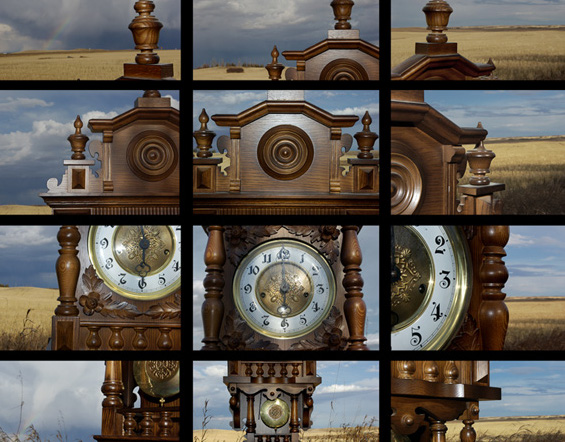
    In the body of work Moment, fragmented images of clocks are taken in a variety of natural environments, over all seasons. The clocks, a clear representation of socially constructed time, are being used to express a feeling of routine, repetition, and daily tasking; in contrast, the surrounding natural environment is meant to convey a more linear sense of time that flows through seasons, lifetimes, and eras.
    Digital Photography, Fine Arts, Visual Arts
    2011
  • The Visual Orchestra
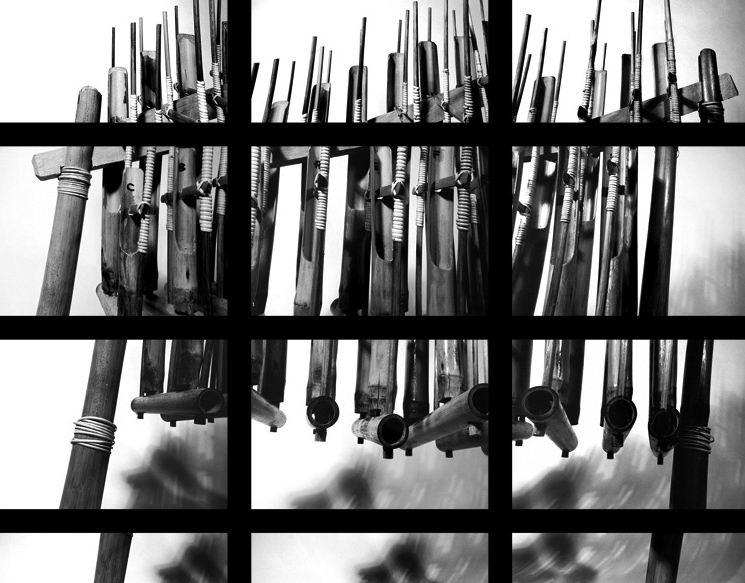
    The basis for music has always been the harmonic blending of instruments - each instrument with its own history, craftsmanship, tones and sounds. The intricate layers of sound, speed of tempo, and emotional delivery of music are all part of a grand collection of characteristics that combine to produce a finished work of art. Through my photographs, I wish to parallel the complexity and harmony of written music with groupings of fragmented images that combine to create a larger whole. In general, I encourage the act of dissection and examination as a means of more intimately understanding all things.
    Photography, Visual Arts, Fine Arts
    2011
  • Gallery Installations
    A collection of Meghan's work displayed in various gallery settings.
    Fine Arts, Photography, Visual Arts
    2011
All works © Meghan Krauss 2011.
Please do not reproduce without the expressed written consent of Meghan Krauss. Powered by ProSite.
Projects
  • autotopia
  • A Tale of Two Cities
  • The World Is Too Much With Us
  • World Travels
  • Arbornauts
  • Moment
  • The Visual Orchestra
  • Gallery Installations